They Learned Medicine in the Mud — Then Came Home and Changed It Forever
Photo: JGHowes, cropped version of source file by NTSB, Public domain, via Wikimedia Commons
Picture a field hospital somewhere in the Pacific in 1944. The nearest surgeon is three hours away by jeep on a road that barely qualifies as a road. A soldier has a sucking chest wound and about twenty minutes. The nurse on duty has battlefield training, improvised supplies, and a decision to make.
She makes it. The soldier lives.
Now picture the same nurse two years later, back home in the United States, being told she isn't qualified to make clinical decisions without a physician present.
This was the reality for thousands of American military nurses who returned from World War II and Korea having performed medical work that stretched far beyond what their job titles technically allowed. They had triaged mass casualties, administered anesthesia, assisted in emergency surgeries, and developed improvised care protocols that saved lives in conditions no stateside hospital had ever prepared for. Then they came home to a medical system that didn't know what to do with what they knew.
Five of them refused to let that knowledge disappear.
1. Lillian Kinkela Keil — The Flight Nurse Who Brought the ICU Into the Air
Lillian Kinkela flew more than 200 missions during World War II and Korea, evacuating wounded soldiers from combat zones in aircraft that were barely pressurized and had no business serving as medical transport. She didn't just sit with patients. She managed airways, monitored vitals, and made real-time care decisions at altitude with equipment that was essentially improvised.
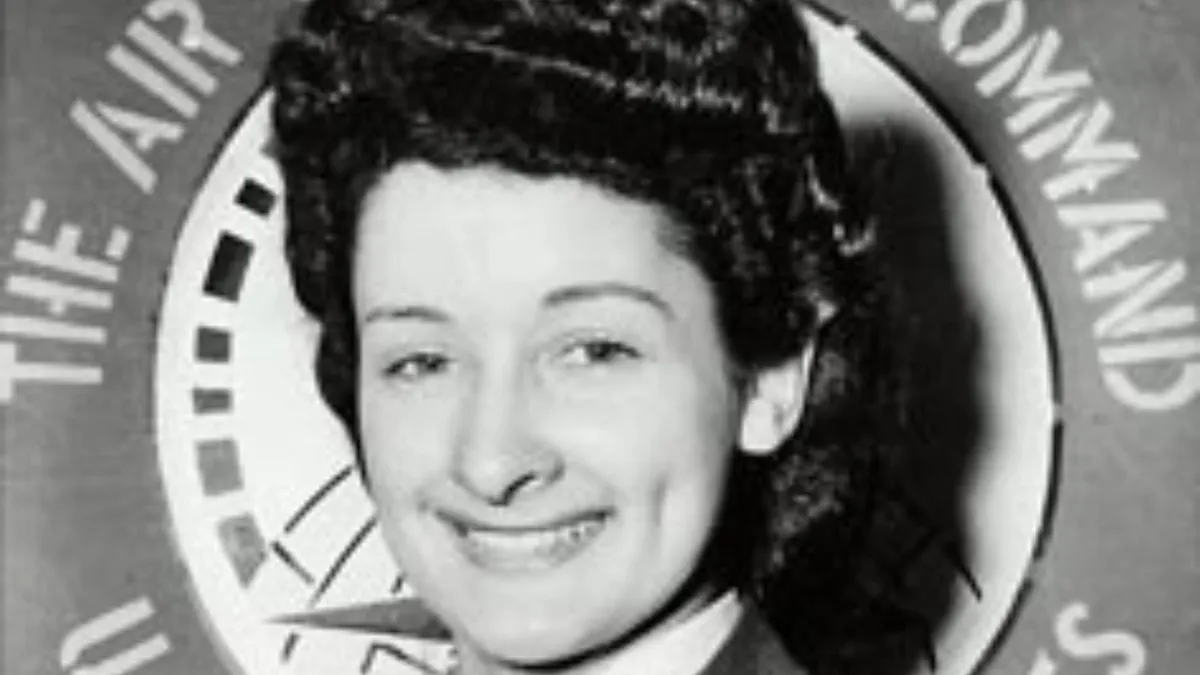 Photo: Lillian Kinkela Keil, via cdn-tor.buminteractif.com
After the war, Keil became one of the most decorated women in American military history — but her real legacy played out in civilian aviation medicine. Her documented experience with in-flight patient care helped lay the groundwork for what eventually became the protocols governing medical transport and airborne critical care. The idea that a patient could receive genuine clinical management while in transit — not just be kept stable until a doctor arrived — owed something to nurses like Keil who had been doing exactly that over the Pacific and Korean Peninsula for years.
2. Mary Agnes Brown — The Anesthesia Pioneer Nobody Credited
Before certified registered nurse anesthetists became a recognized specialty in American medicine, nurses had been administering anesthesia on the battlefield for generations. Mary Agnes Brown was among those who did it under the most extreme conditions imaginable during World War II — working in forward surgical units where waiting for a physician anesthetist simply wasn't an option.
When she returned stateside, Brown became an early and vocal advocate for formalizing nurse anesthesia as a legitimate clinical discipline. The pushback from organized medicine was fierce. Physician groups argued that anesthesia was too dangerous to be left to nurses, conveniently ignoring the fact that nurses had been safely administering it in combat zones for years.
Brown's advocacy contributed to the eventual expansion and recognition of nurse anesthetist training programs — a field that today includes more than 50,000 certified practitioners who provide roughly half of all anesthesia care in the United States.
3. Ruby Bradley — The POW Who Became a Patient Advocate
Ruby Bradley survived more than three years as a prisoner of war in the Philippines after being captured by Japanese forces in 1941. During her captivity, she performed more than 230 operations and delivered 13 babies — without proper equipment, adequate nutrition, or any of the institutional support that defines standard medical practice.
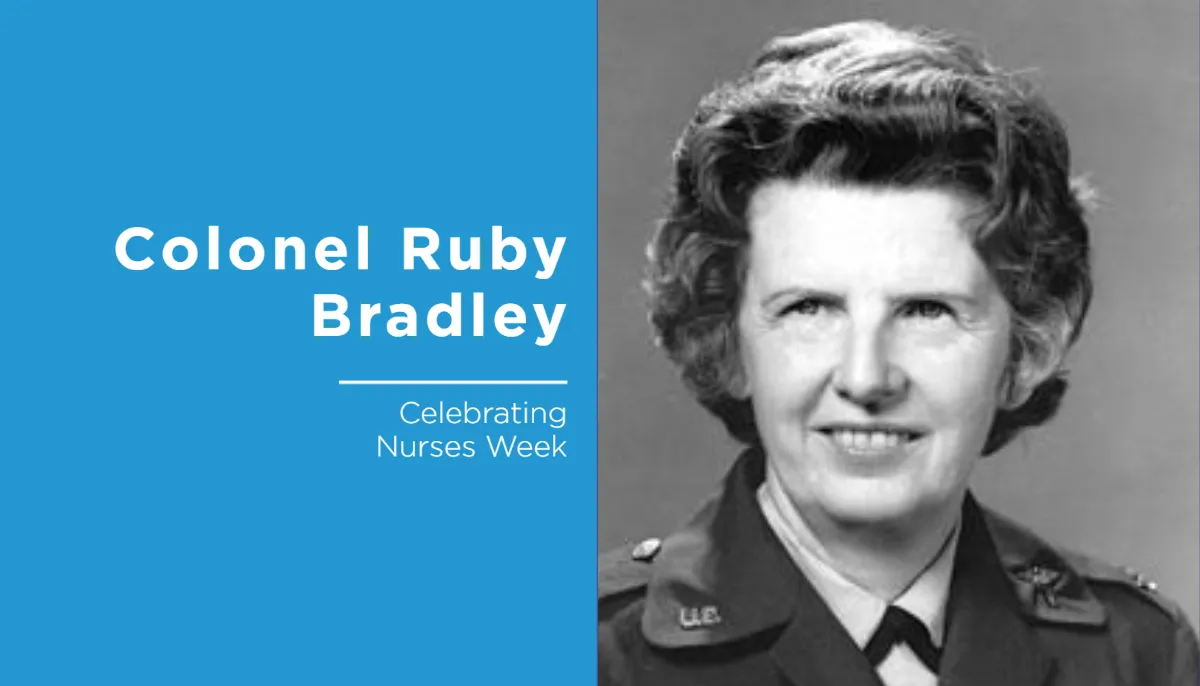 Photo: Ruby Bradley, via triagestaff.com
After her liberation and her later service in Korea, Bradley became one of the most decorated women in Army history. But her postwar influence extended beyond medals. Her documented experiences in prisoner conditions shaped early discussions around austere medicine — the practice of delivering effective care in resource-depleted environments — and she became a compelling, living argument for expanding the clinical authority of nurses in crisis settings.
Her story helped push conversations about what nurses were actually capable of doing when the system's usual gatekeeping disappeared.
4. Diane Carlson Evans — From Vietnam to a Monument and a Movement
Diane Carlson Evans served as an Army nurse during the Vietnam War, rotating through hospitals that were overwhelmed, understaffed, and dealing with wound patterns that American medicine had never encountered at that scale. She came home, like many Vietnam veterans, to a country that didn't want to talk about the war.
But Evans spent the next decade fighting for something specific: recognition that women had served in Vietnam and that their experience had clinical and historical value. Her campaign eventually produced the Vietnam Women's Memorial in Washington, D.C., dedicated in 1993 — but the monument was almost secondary to what the campaign achieved in terms of documenting nurses' wartime medical contributions.
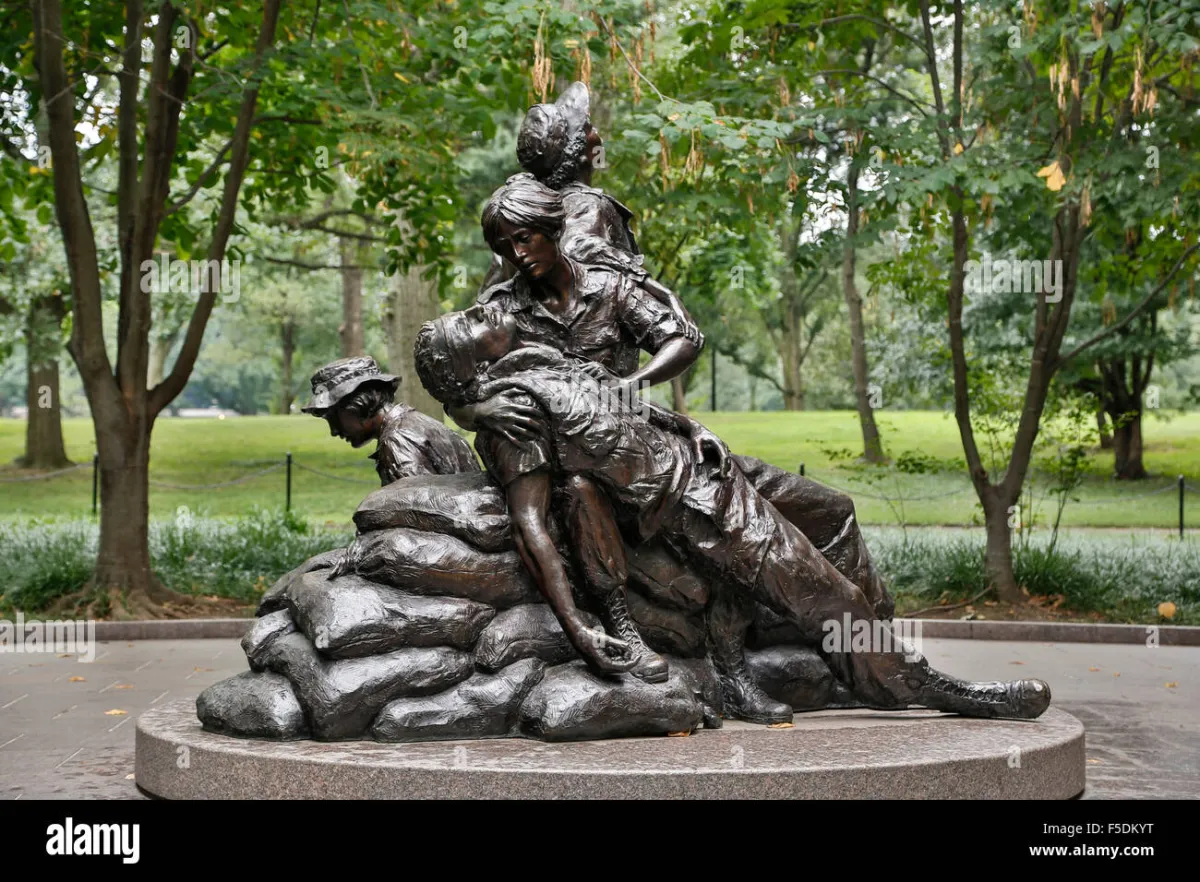 Photo: Vietnam Women's Memorial, via c8.alamy.com
The oral histories and records gathered through Evans' memorial project became some of the most detailed firsthand accounts of field nursing practice available to medical historians and nursing educators, preserving knowledge that might otherwise have been lost entirely.
5. Hazel Johnson-Brown — The General Who Rebuilt Army Nursing From the Inside
Hazel Johnson-Brown came from a farming family in West Chester, Pennsylvania, and faced discrimination both as a Black woman and as someone who had to fight for access to nursing education at all. She served in Korea and later in postings around the world, accumulating clinical and administrative experience that was as broad as it was deep.
In 1979, she became the first Black woman to achieve the rank of brigadier general in the United States Army — and simultaneously became chief of the Army Nurse Corps. In that role, she pushed hard for advanced education requirements for military nurses, for greater clinical autonomy, and for research-based practice standards that treated nursing as a discipline grounded in evidence rather than tradition.
Johnson-Brown's reforms didn't just affect the military. The standards she championed rippled outward into civilian nursing education and helped accelerate the professionalization of nursing as an academic field.
The Lesson That Keeps Getting Relearned
Every generation seems to need a crisis to discover what nurses are actually capable of. World War II did it. Korea did it. Vietnam did it. COVID-19 did it again, more recently, in intensive care units across the country.
What's remarkable about the women in this list isn't just what they accomplished under fire. It's that they came home and kept fighting — for recognition, for authority, for the formal acknowledgment that experience earned in the hardest possible conditions deserved to count for something.
The American medical system didn't hand them anything. They built it anyway.