The Man With No Diploma Who Unlocked the Scrolls the Experts Couldn't Touch
The Man With No Diploma Who Unlocked the Scrolls the Experts Couldn't Touch
Somewhere in the Judean desert, in the winter of 1946 or 1947 — nobody can quite agree on the exact date — a Bedouin shepherd named Muhammed edh-Dhib tossed a stone into a cave and heard something shatter. What he'd broken turned out to be one of the most significant archaeological finds in human history: a clay jar containing ancient scrolls that would rewrite what the world understood about early Judaism and the origins of Christianity.
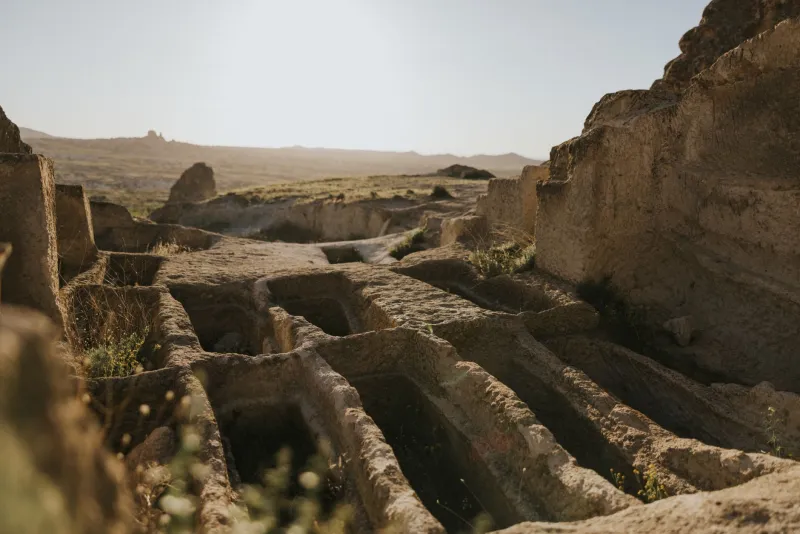
 Photo: Judean desert, via img.freepik.com
What happened next, though, is a story not about discovery. It's about gatekeeping — and about one deeply unlikely person who refused to be kept out.
The Scrolls That Nobody Could See
By the 1950s, a small, tightly controlled group of scholars had been handed exclusive access to the Dead Sea Scrolls. These were credentialed academics with prestigious university appointments and institutional affiliations. They formed committees, published preliminary notes, and promised the world that a full, authoritative edition of the texts was coming.
It didn't come. Decades passed. The scrolls sat in temperature-controlled rooms in Jerusalem while the scholars who controlled them argued, delayed, and occasionally published fragments at a pace that struck outside researchers as somewhere between glacial and suspicious. By the 1980s, some of the original team members had died without completing their assignments. Their unpublished materials passed to students, then to students of students. The academic world had effectively built a wall around one of history's most important documents.
For most researchers, that wall was impenetrable. But not for everyone.
An Education That Didn't Come With a Degree
Martin Abegg Jr. wasn't supposed to be the person who cracked this open. He hadn't spent his early career in the gilded halls of Oxford or the University of Chicago. He'd taken a winding, unorthodox path through theology and ancient languages — studying Hebrew, Aramaic, and related scripts with an intensity that was more obsession than curriculum.
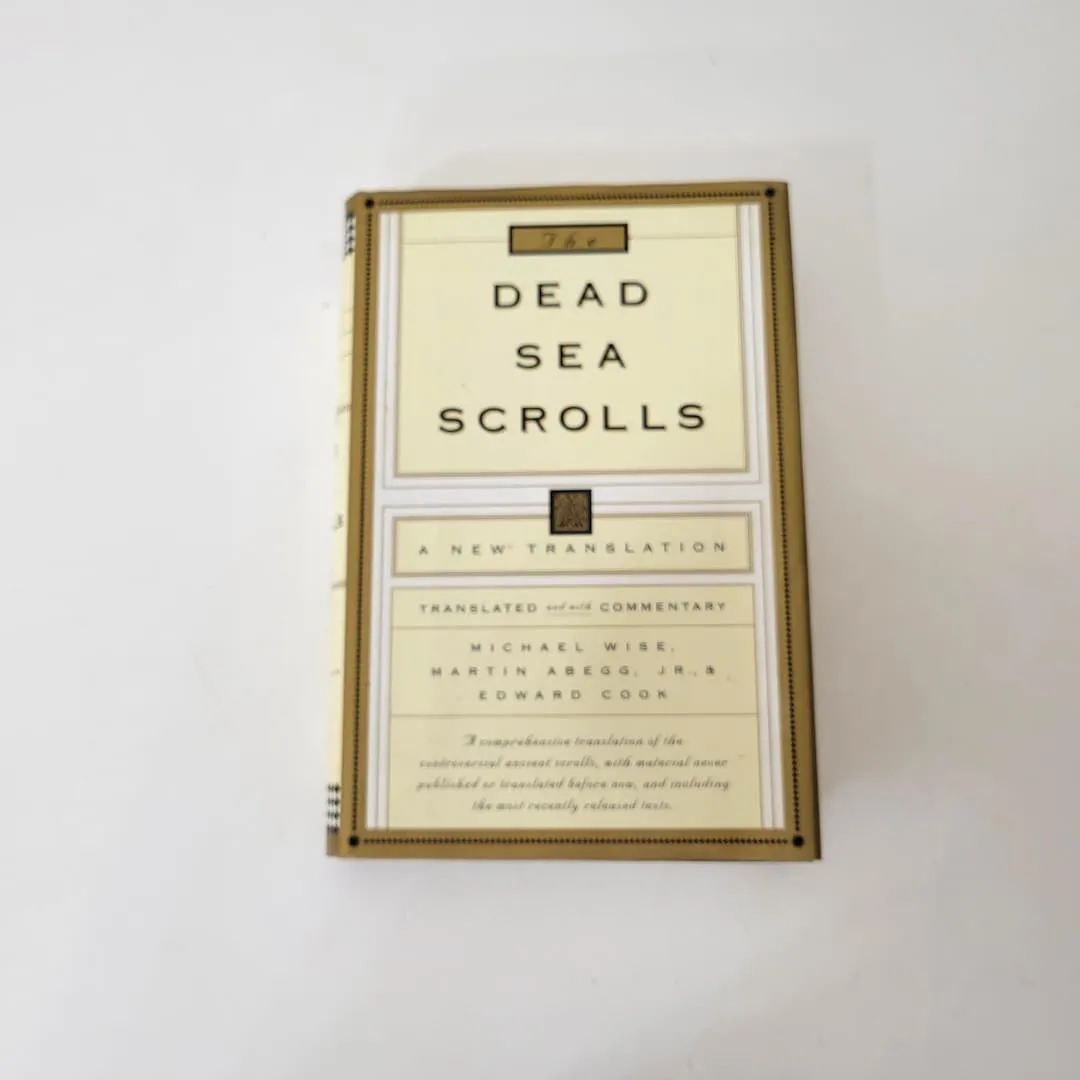 Photo: Martin Abegg Jr., via i.etsystatic.com
What Abegg had that many of the scroll gatekeepers lacked wasn't prestige. It was a combination of linguistic stubbornness and a willingness to use tools that old-guard scholars considered beneath them: computers.
In the late 1980s, a Biblical scholar named Ben Zion Wacholder — elderly, nearly blind, and furious about the publication delays — teamed up with Abegg at Hebrew Union College in Cincinnati. Together, they hatched a plan that was either brilliant or audacious depending on who you asked. The monopoly scholars had published a concordance — essentially an index of every word in the unpublished scrolls, listed with surrounding context. It was meant to be a research tool, not a reconstruction kit. But Abegg realized that if you fed a concordance into the right software, you could algorithmically work backward and reconstruct the original text.
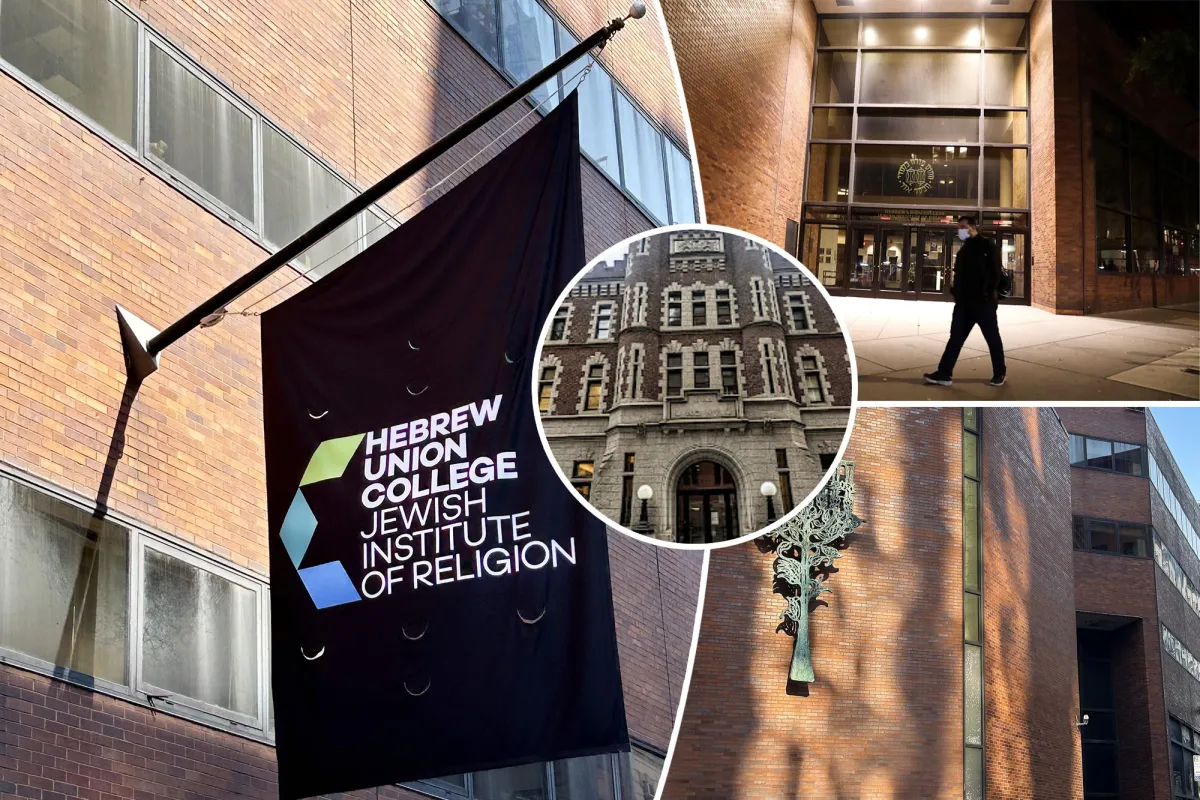 Photo: Hebrew Union College, via nypost.com
That's exactly what he did.
Cracking the Lock From the Outside
Working with early computer technology that looks almost comically primitive by today's standards, Abegg spent months writing and running programs that pieced together unpublished scroll fragments from the concordance data. It was painstaking, technically demanding, and the kind of work that required an almost unreasonable faith that it would actually work.
It worked.
In 1991, Abegg and Wacholder published a reconstruction of previously unseen scroll texts. Around the same time, the Huntington Library in California — which held a complete set of scroll photographs — announced it was opening its archive to all researchers, defying the exclusivity agreement that had bottled everything up for so long. The monopoly shattered almost overnight.
The scholarly establishment was not pleased. Some members of the official team accused Abegg of a kind of academic piracy. But the broader research community — historians, theologians, linguists who had been waiting forty years for access — reacted with something closer to relief and celebration.
What the Scrolls Actually Said
The fragments Abegg helped reconstruct included portions of texts from what scholars call the Community Rule and other documents connected to the Qumran community, the Jewish sect believed to have produced the scrolls. These weren't just historical curiosities. They offered direct windows into the theological world that existed at the intersection of Second Temple Judaism and early Christianity — a period of enormous importance to billions of people worldwide.
Abegg went on to become one of the foremost scroll scholars in North America, eventually joining Trinity Western University in British Columbia and producing some of the most widely used translations and research tools in the field. His computer-assisted methods, once mocked as a shortcut, became standard practice.
What Rejection Actually Built
There's a particular kind of irony in the Dead Sea Scrolls story. The scholars who hoarded access did so partly in the name of academic rigor — the idea that only properly credentialed experts could handle material this sensitive without making mistakes. And yet it was an outsider, working with off-the-shelf software in Cincinnati, who forced the field forward.
Abegg's story isn't just about one man and one set of ancient texts. It's about what happens when institutions confuse exclusivity with excellence. The scrolls spent decades locked behind academic politics. What finally opened them wasn't a committee decision or a grant approval. It was someone who looked at the problem differently and had the stubbornness to keep going.
The shepherd who threw that stone into the cave in the Judean desert couldn't have imagined that the real battle over his discovery wouldn't be fought in the desert at all. It would be fought in libraries, computer labs, and academic journals — and won by someone who was never quite supposed to be in the room.