The Kitchen Scientist Who Fed America Safely
The Woman Behind the Headlines
When President Theodore Roosevelt signed the Pure Food and Drug Act of 1906, newspaper headlines celebrated Dr. Harvey Wiley, the government chemist who had fought tirelessly for food safety reform. But tucked away in the fine print of congressional testimony and buried in the footnotes of scientific reports was another name: Ellen Richards.
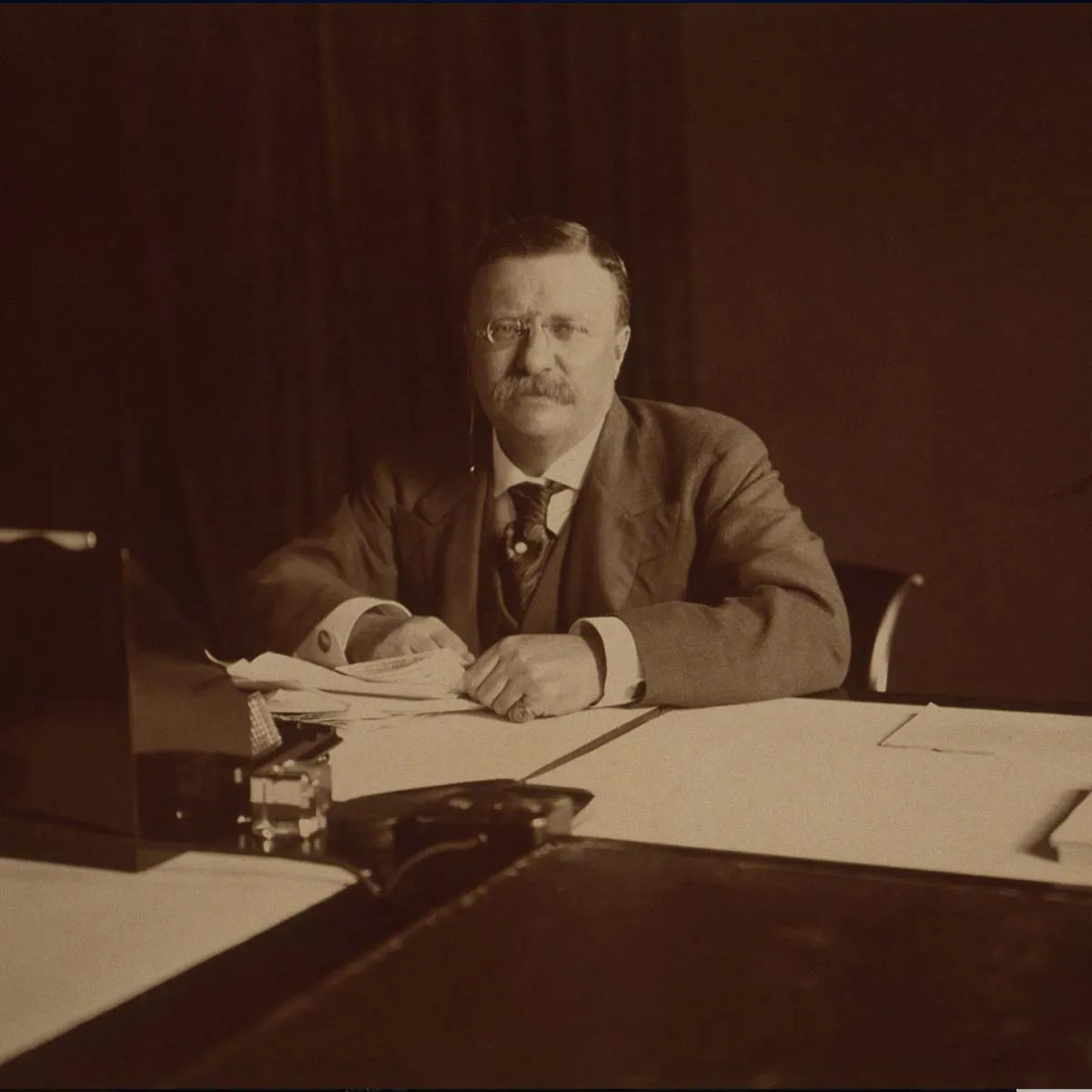 Photo: Theodore Roosevelt, via nationaltoday.com
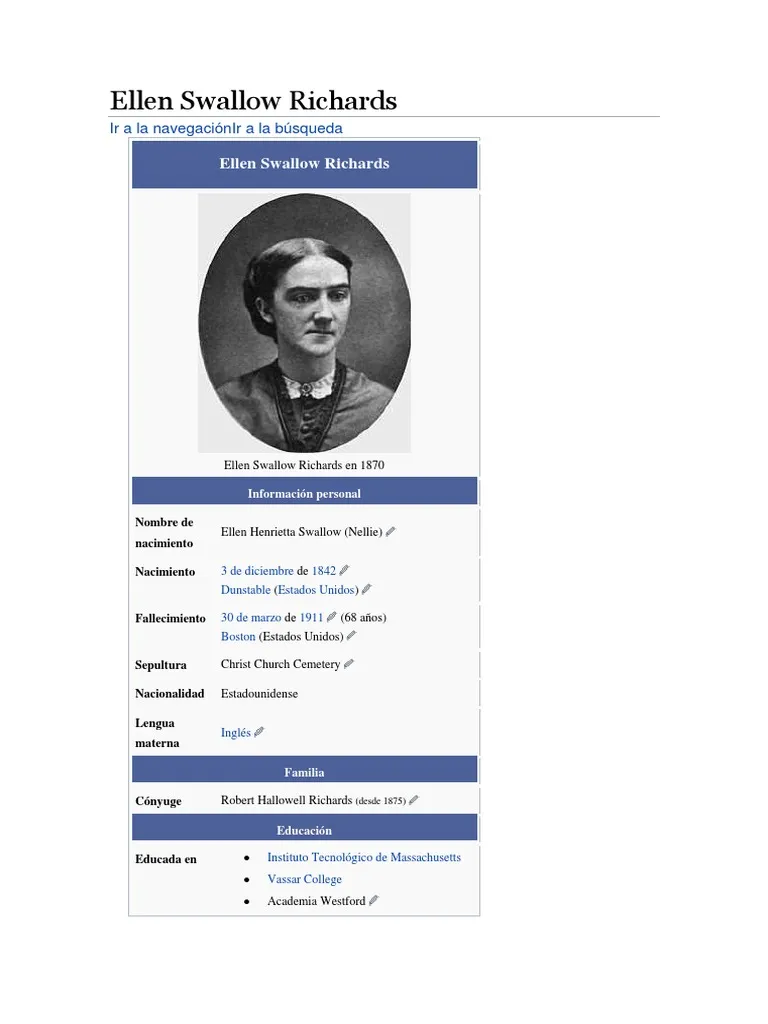 Photo: Ellen Richards, via imgv2-2-f.scribdassets.com
While Wiley commanded attention in Washington boardrooms, Richards was conducting the methodical, unglamorous work that made his crusade possible. From her makeshift laboratory in a rented room near MIT, she was quietly building the scientific foundation that would transform how America thought about food safety.
She had no government funding, no institutional backing, and no official title. What she had was an obsession with keeping families safe from the dangerous chemicals flooding America's food supply.
Chemistry Lessons in a Converted Closet
Richards never intended to become a food safety pioneer. She started as one of the first women to study chemistry at MIT, graduating in 1873 when most people believed women's brains were too delicate for scientific thinking. Unable to find traditional employment as a chemist, she began offering private consulting services from a converted closet in her Boston home.
Her first clients were worried mothers.
By the 1880s, American food was increasingly processed, preserved, and adulterated with chemicals that had never been tested for human consumption. Milk was watered down and whitened with chalk. Candy contained lead-based dyes. Canned goods were preserved with formaldehyde. Ground coffee was mixed with sawdust, and "pure" honey often contained more corn syrup than actual honey.
Families were getting sick, but they had no way to know what they were eating. Food labeling was nonexistent, and chemical analysis was expensive and rare.
Richards saw an opportunity to help.
Building a Database One Sample at a Time
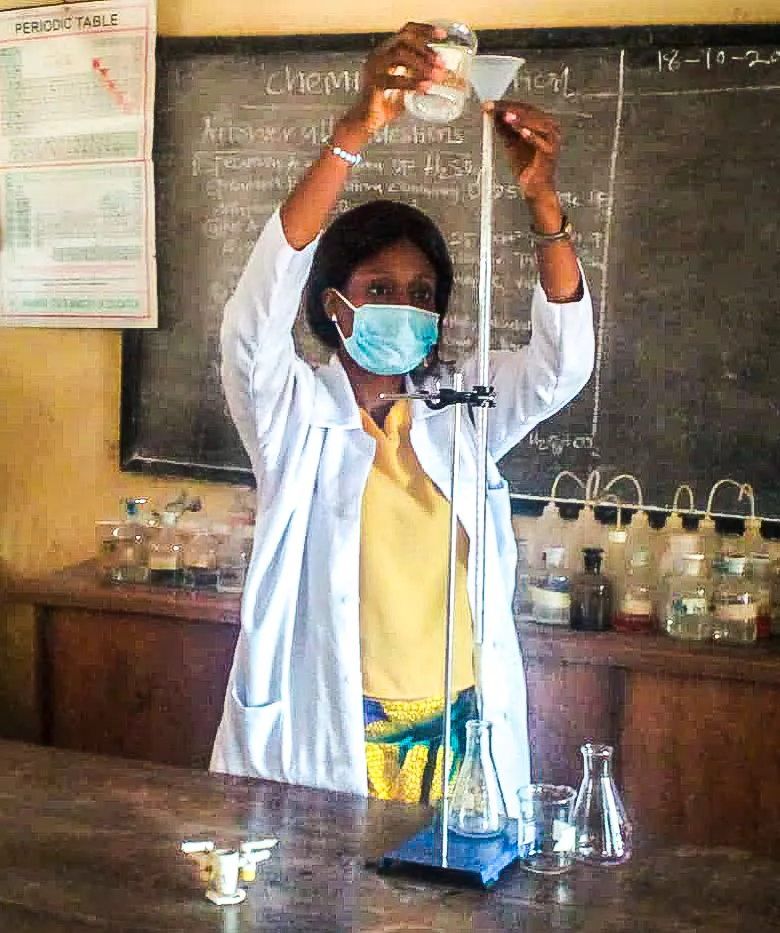
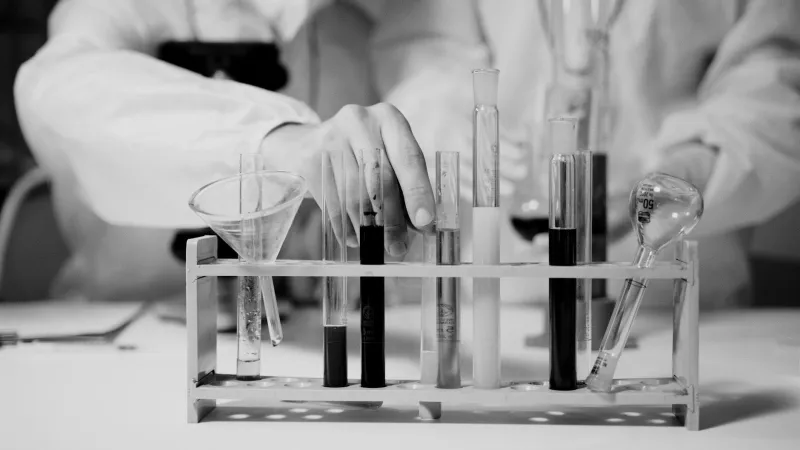
From her tiny laboratory, Richards began systematically testing food samples that worried customers brought to her. She developed simplified testing methods that could detect common adulterants without expensive equipment. More importantly, she kept meticulous records of everything she found.
Her approach was revolutionary in its simplicity. Instead of focusing on theoretical chemistry, she concentrated on practical questions: What are people actually eating? Which products consistently contain dangerous chemicals? How can ordinary families protect themselves?
By 1885, Richards had analyzed thousands of food samples and identified patterns that government scientists were missing. She discovered that certain manufacturers consistently used dangerous preservatives, that imported foods were more likely to contain toxic dyes, and that "bargain" products almost always contained harmful adulterants.
But her most important contribution was something nobody else was doing: she was teaching other women how to test food themselves.
The Underground Network of Kitchen Chemists
Richards realized that one person couldn't test the entire American food supply. So she began training other women in basic chemical analysis, creating an informal network of "kitchen chemists" who could identify dangerous food additives using simple, inexpensive tests.
She published instruction manuals with titles like "Food Materials and Their Adulterations" and "The Chemistry of Cooking and Cleaning." These weren't academic treatises — they were practical guides that taught housewives how to test milk for chalk, detect sawdust in coffee, and identify dangerous dyes in candy.
Within a few years, hundreds of women across New England were conducting food safety tests in their own kitchens. They shared their findings through women's clubs, church groups, and local newspapers. For the first time, American families had access to reliable information about what they were eating.
The food industry noticed. Manufacturers who had been quietly adulterating products for years suddenly faced informed consumers who could detect their deceptions. Sales of contaminated products plummeted in areas where Richards's network was active.
When Science Met Politics
By 1900, Richards had accumulated more real-world data about American food safety than any government agency. Her files contained detailed analyses of thousands of products, documented patterns of adulteration, and evidence of systematic fraud by major manufacturers.
When Harvey Wiley began his political campaign for federal food safety laws, he needed that data. Richards quietly provided it.
Her testing results became the scientific backbone of Wiley's arguments before Congress. Her documentation of dangerous chemicals in common foods provided the evidence needed to convince skeptical legislators. Her network of trained women created grassroots pressure that made food safety reform politically viable.
But Richards rarely appeared in public alongside Wiley. As a woman working outside official channels, she understood that her contributions would be more effective if they remained behind the scenes.
The Invisible Foundation of Modern Food Safety
When the Pure Food and Drug Act became law in 1906, it established the regulatory framework that still governs American food safety today. The law required accurate labeling, banned dangerous preservatives, and created federal oversight of food manufacturing.
Those provisions were built directly on Richards's research. Her testing methods became the basis for federal food analysis standards. Her documentation of dangerous chemicals informed the law's list of banned substances. Her grassroots education campaign created the public awareness that made enforcement possible.
Yet Richards received almost no public credit. Newspaper accounts of the food safety victory focused on Wiley's political battles and Roosevelt's presidential leadership. The methodical work of analyzing thousands of food samples, training hundreds of volunteer testers, and building the scientific case for reform remained largely invisible.
Why Her Story Disappeared
Richards's invisibility wasn't accidental. In 1906, scientific credibility was closely tied to institutional affiliation and formal credentials. A woman working from a converted closet with no government funding couldn't be portrayed as a serious scientist, even if her work was more thorough and practical than anything coming from official laboratories.
The political narrative also required clear heroes and villains. Harvey Wiley made a perfect protagonist — a credentialed government scientist fighting powerful corporate interests. Richards's story was more complicated. She was an outsider who had built her own network, developed her own methods, and created her own standards of evidence.
Most importantly, acknowledging Richards's contributions would have meant admitting that some of the most important food safety research in America was being conducted by women in their kitchens, not by men in official laboratories.
The Kitchen Lab Legacy
Richards died in 1911, just five years after her work helped create federal food safety laws. But her influence extended far beyond the Pure Food and Drug Act.
Her approach — combining rigorous scientific method with practical application and grassroots education — became the model for consumer protection movements throughout the 20th century. Her emphasis on training ordinary people to test products themselves anticipated the environmental movement, consumer advocacy groups, and public health campaigns that would follow.
Most importantly, she proved that scientific research doesn't require institutional backing to create real change. Some of the most important discoveries happen in improvised laboratories, funded by personal savings, and motivated by a simple desire to protect the people you care about.
Reclaiming the Real Story
Today, when we read ingredient labels or trust that our food is safe to eat, we're benefiting from Ellen Richards's work. The federal agencies that test our food use methods she pioneered. The laws that protect us from dangerous chemicals are built on evidence she collected. The expectation that families should know what they're eating reflects values she championed.
But her story also reminds us that the most important scientific work often happens outside official channels. While Harvey Wiley was giving speeches and attending congressional hearings, Ellen Richards was in her laboratory, testing samples and training women to protect their families.
She never held a government position, never received a research grant, and never published in prestigious journals. She just solved problems, one food sample at a time, until she had quietly built the foundation for modern American food safety.
In a world that still struggles to recognize contributions from unconventional sources, Ellen Richards stands as a reminder that expertise comes in many forms. Sometimes the most qualified person to solve a problem is the person who cares enough to start working on it, regardless of whether anyone gives them permission.