The Invisible Innovators: Five Black Women Who Built America's Future in Plain Sight
The Patents They Filed, The Credit They Never Got
In the dusty archives of the U.S. Patent Office, thousands of documents tell a story that American history books have spent decades trying to ignore. Between 1885 and 1965, a generation of African American women filed patents for inventions that would transform daily life across the country. Their innovations powered the modern kitchen, revolutionized industrial manufacturing, and even helped put humans in space.
Yet when the history of American innovation was written, their names were quietly edited out. The companies that profited from their ideas were happy to pay licensing fees while ensuring the inventors remained invisible to the public. It was a perfect crime: steal the credit, keep the profits, and let history assume all the great inventors looked like Thomas Edison.
Sarah Boone: The Woman Who Perfected Your Morning Routine
Every time you pull a crisp shirt from your closet, you're benefiting from Sarah Boone's 1892 patent for an improved ironing board. Before Boone's design, people pressed clothes on kitchen tables covered with blankets—a clumsy process that left shirts wrinkled and often scorched.
 Photo: Sarah Boone, via storage.googleapis.com
Boone's innovation was elegantly simple: a narrow, curved board that fit the contours of sleeves and the female form, with a collapsible design for easy storage. Her patent application noted that existing ironing boards were "very inconvenient for the operator to use" and failed to produce satisfactory results.
Manufacturers immediately recognized the genius of Boone's design and began mass-producing ironing boards based on her specifications. Department stores across America sold millions of units. Boone received her licensing fees, but her name disappeared from the marketing materials. For the next century, Americans assumed the ironing board had been invented by some anonymous white entrepreneur.
Alice Parker: The Engineer Who Warmed a Nation
In 1919, Alice Parker filed Patent No. 1,325,905 for a "heating furnace" that would revolutionize how Americans heated their homes. Parker's design used natural gas instead of coal or wood, with a system of ducts that could distribute heat evenly throughout a building.
Her innovation came at the perfect moment. American cities were growing rapidly, and apartment buildings needed efficient heating systems that didn't require residents to tend individual fires. Parker's furnace design became the foundation for modern central heating systems used in millions of homes today.
Parker understood something that her male contemporaries missed: heating a home wasn't just about generating warmth, it was about distributing it efficiently and safely. Her patent included detailed specifications for gas burners, heat exchangers, and ductwork that would influence HVAC design for decades.
Yet when the heating industry celebrated its pioneers, Parker's name was nowhere to be found. The companies that built fortunes on her innovations were content to let the world believe central heating had emerged from the minds of male engineers.
Marie Van Brittan Brown: The Mother of Home Security
In 1966, Marie Van Brittan Brown was living in Queens, New York, watching her neighborhood change. Crime rates were rising, police response times were slow, and she wanted a way to see who was at her door before opening it. So she invented one.
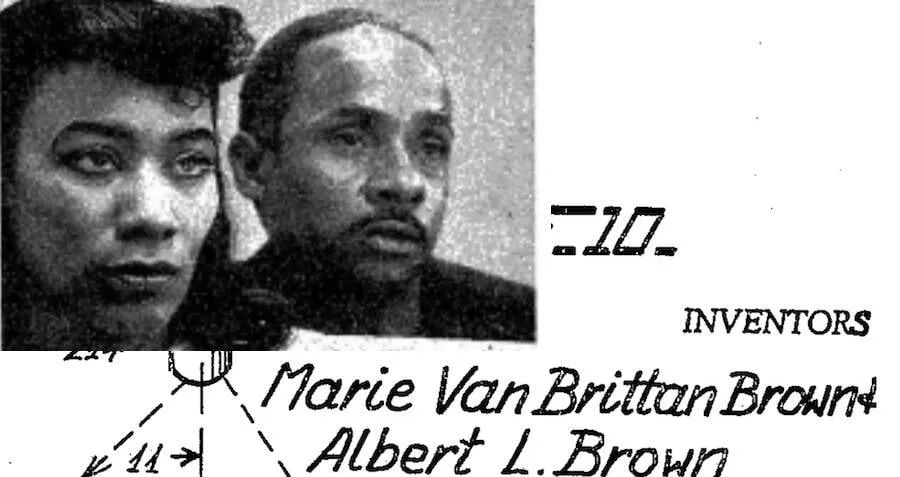 Photo: Marie Van Brittan Brown, via allthatsinteresting.com
Brown's patent for a "home security system utilizing television surveillance" became the foundation for every doorbell camera, security monitor, and home surveillance system used today. Her design included a camera that could slide up and down to capture visitors of different heights, a two-way microphone system, and remote door locks that could be activated from inside the home.
The patent application revealed Brown's systematic approach to the problem. She had studied existing security systems, identified their limitations, and designed solutions that were both practical and affordable for average homeowners. Her innovation anticipated the modern smart home by nearly fifty years.
Major electronics companies immediately began developing products based on Brown's patent. The home security industry exploded into a multi-billion dollar market. Brown received royalty payments, but when Forbes published lists of "America's Greatest Inventors," her name was absent.
Valerie Thomas: The NASA Scientist Who Made 3D Possible
In 1980, Valerie Thomas was working at NASA's Goddard Space Flight Center when she developed something that sounded like science fiction: a way to create realistic three-dimensional images that appeared to float in space. Her "illusion transmitter" used concave mirrors and precise lighting to project images that viewers could walk around and observe from different angles.
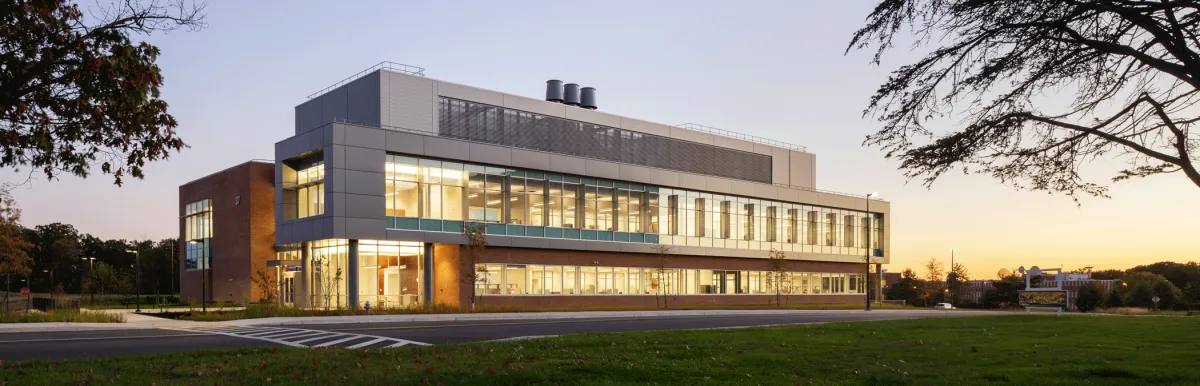 Photo: NASA's Goddard Space Flight Center, via www.hdrinc.com
Thomas's invention wasn't just a clever optical trick—it was a breakthrough that would influence everything from medical imaging to entertainment technology. NASA used her system to analyze satellite data, allowing scientists to visualize weather patterns and geological formations in ways that flat images couldn't match.
The entertainment industry quickly recognized the commercial potential of Thomas's work. Her patent became the foundation for holographic displays, 3D television systems, and virtual reality technologies that generate billions in revenue today. But when tech magazines profiled the "pioneers of 3D technology," Thomas was rarely mentioned.
Dr. Patricia Bath: The Surgeon Who Gave Sight to Millions
In 1986, Dr. Patricia Bath was frustrated. As an ophthalmologist, she watched patients lose their sight to cataracts—a condition that was completely treatable with the right technology. But existing surgical techniques were imprecise and often caused more damage than they prevented.
Bath's solution was revolutionary: a laser device that could remove cataracts with unprecedented precision, restoring sight to patients who had been blind for years. Her "Laserphaco Probe" used pulsed laser energy to dissolve cataracts without damaging surrounding tissue.
The device transformed ophthalmology. Surgeons around the world began using Bath's technique to restore sight to millions of patients. The procedure became so routine that people forgot there was ever a time when cataract removal was risky and unreliable.
Bath became the first African American woman to receive a patent for a medical device, but her achievement was overshadowed by the assumption that laser surgery had been developed by male researchers at major medical centers.
The Pattern of Erasure
These five women share more than just innovative minds—they share the experience of watching their contributions disappear from public memory. Their patents were filed, their royalties were paid, and their inventions changed the world. But when America told the story of its innovative spirit, their chapters were quietly removed.
The erasure wasn't accidental. It was a systematic effort to maintain the fiction that American innovation was the exclusive domain of white men. By keeping these women invisible, the establishment could continue selling the myth that genius looked a certain way and came from certain backgrounds.
But patents don't lie. In the official records, filed in triplicate and stored in government archives, the truth remains: some of America's most transformative innovations came from the minds of Black women who refused to accept the limitations others tried to impose on them. Their ideas built the modern world, even when the modern world refused to acknowledge their names.