America's Hall of Rejected Fame: Five Breakthrough Ideas That Made History After Being Laughed Out of the Room

America's Hall of Rejected Fame: Five Breakthrough Ideas That Made History After Being Laughed Out of the Room
Somewhere in America right now, someone is pitching an idea that will change the world. And somewhere else, an expert is explaining exactly why it will never work.
This is the American way: breakthrough innovations born from garage tinkering, basement experiments, and the stubborn belief that maybe — just maybe — everyone else is wrong. History's most transformative inventions didn't emerge from boardrooms or government labs. They came from people who were told "no" so many times that "yes" became a revolution.
Here are five ideas that America's experts rejected before they quietly reshaped civilization.
1. The Telephone: "An Electrical Toy"
The Rejection: In 1876, Western Union's president William Orton was offered the chance to buy Alexander Graham Bell's telephone patents for $100,000. His response became legendary: "What use could this company make of an electrical toy?"
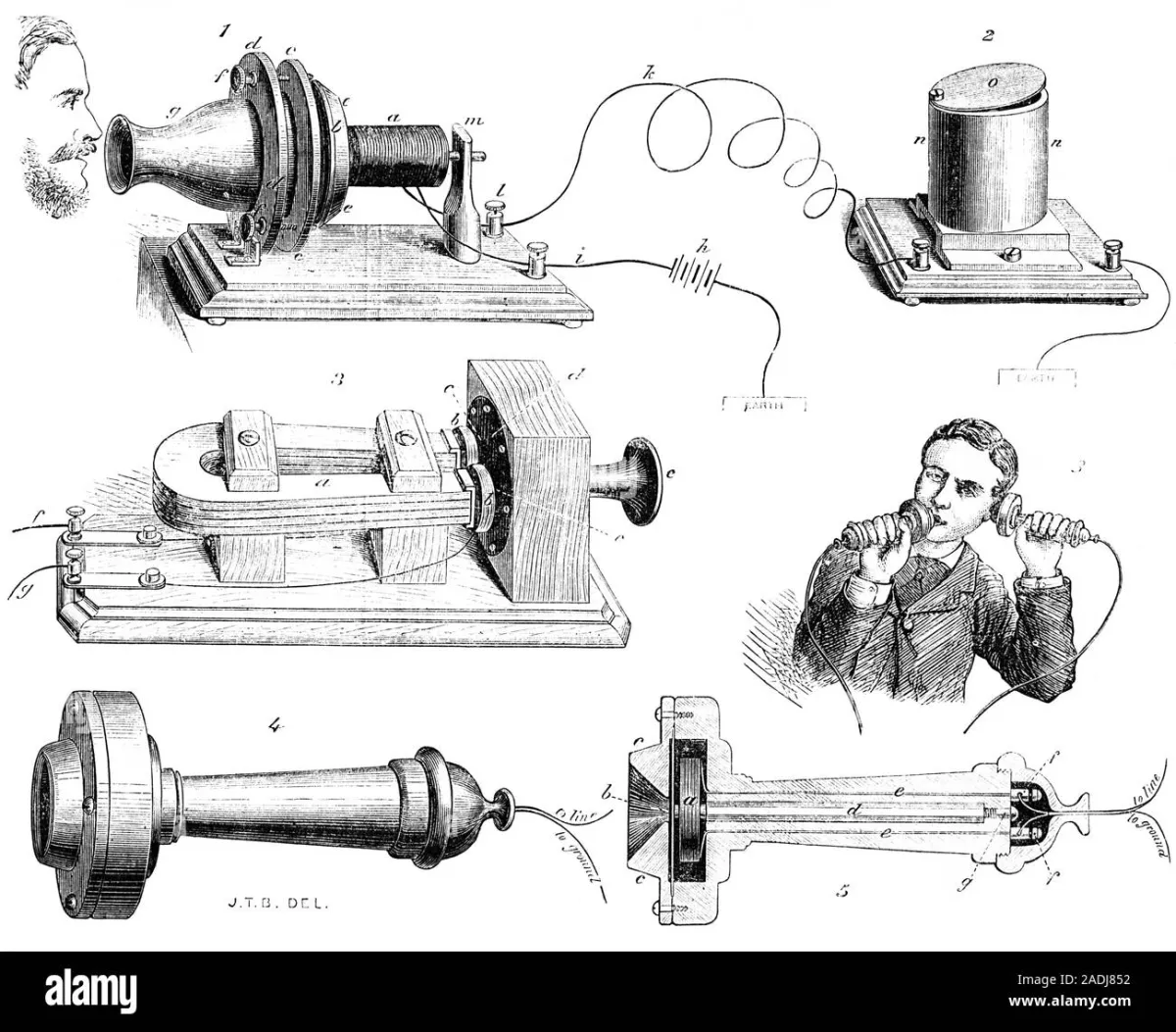 Photo: Alexander Graham Bell, via c8.alamy.com
The Story: Bell wasn't even trying to invent the telephone. The Scottish immigrant was working on a device to help deaf students (his mother and wife were both deaf) when he accidentally transmitted the first intelligible speech over wire.
When he demonstrated his "electrical toy" at the 1876 Centennial Exhibition in Philadelphia, most visitors walked past his booth without stopping. The few who did listen were polite but skeptical. Why would anyone want to talk through a wire when they could send a telegram?
Even Bell's own father-in-law, who had invested in the invention, suggested Alexander should sell the patents and return to teaching. "The telephone," he worried, "may be all very well as a scientific toy, but it can never be of any practical use."
The Vindication: Western Union realized their mistake within two years and spent millions trying to develop competing technology. By 1880, Bell's company had 30,000 subscribers. Today, that "electrical toy" evolved into the smartphone — a device so essential that Americans check it over 90 times per day.
2. The Automobile: "A Fad and Folly"
The Rejection: In 1903, the president of the Michigan Savings Bank advised Henry Ford's lawyer: "The horse is here to stay but the automobile is only a novelty — a fad." He refused to invest in Ford Motor Company, calling cars "a folly."
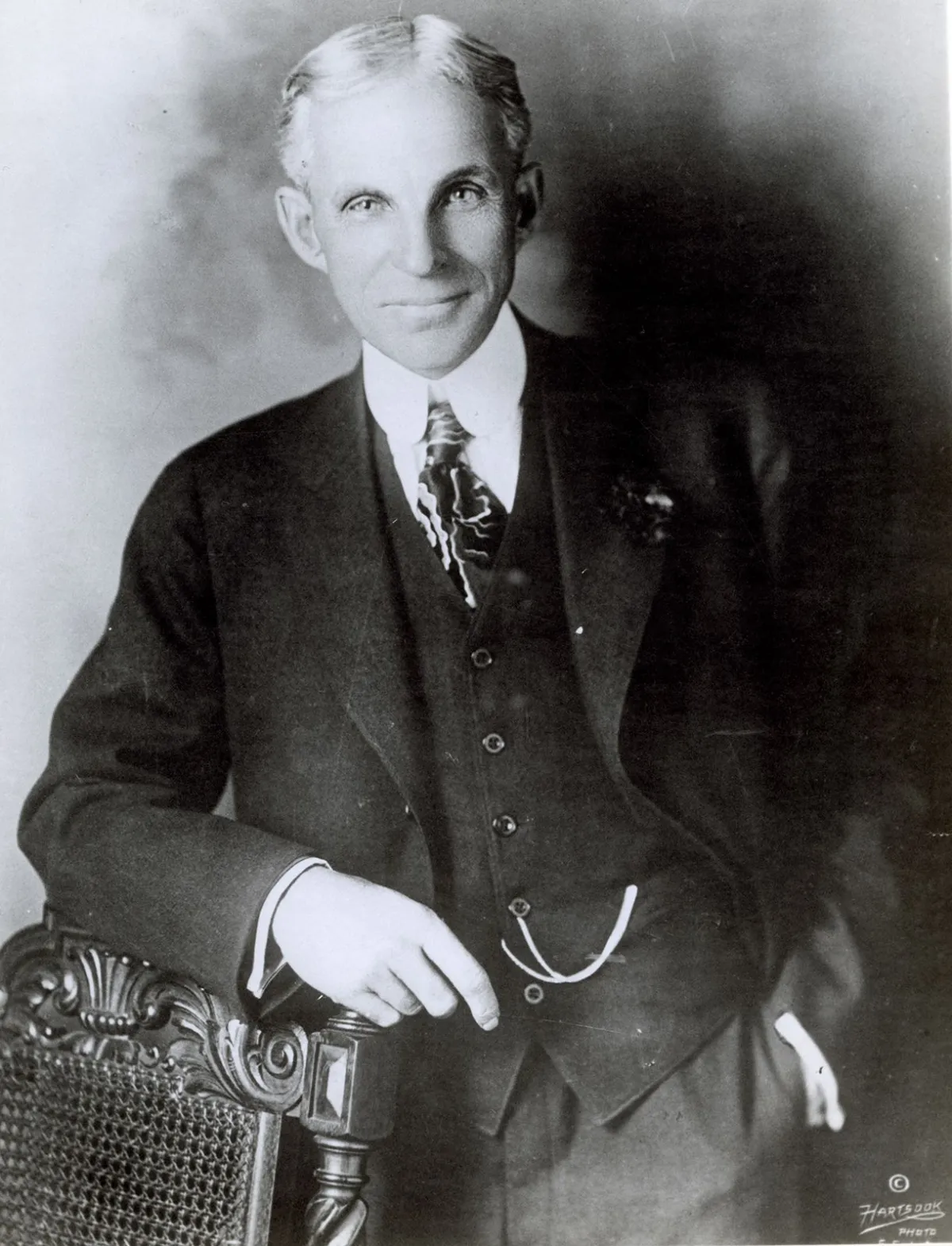 Photo: Henry Ford, via cdn.britannica.com
The Story: Early automobiles were expensive, unreliable, and required a hand crank to start. They broke down constantly, scared horses, and were banned from many roads. The president of Princeton University declared in 1899 that automobiles were "a picture of the arrogance of wealth" that would never be common.
Ford's revolutionary idea wasn't just building cars — it was building them affordably using assembly line production. When he announced plans to sell cars for under $500, competitors laughed. "Ford's folly," they called it.
Even his own investors balked. They wanted to build expensive cars for wealthy customers, not cheap ones for farmers and factory workers.
The Vindication: Ford's Model T became the best-selling car in history until the 1970s. His assembly line methods didn't just transform transportation — they revolutionized manufacturing worldwide. The man who was told cars were a fad created an industry that now employs millions of Americans.
3. Television: "Radio with Pictures Will Never Work"
The Rejection: In 1926, radio pioneer Lee de Forest declared: "While theoretically and technically television may be feasible, commercially and financially it is an impossibility." Movie studios agreed, calling it "a development of which we need waste little time dreaming."
The Story: Philo Farnsworth was a 14-year-old farm boy in Idaho when he sketched his idea for electronic television on his high school blackboard. His teacher didn't understand it. Neither did the patent office, which initially rejected his application.
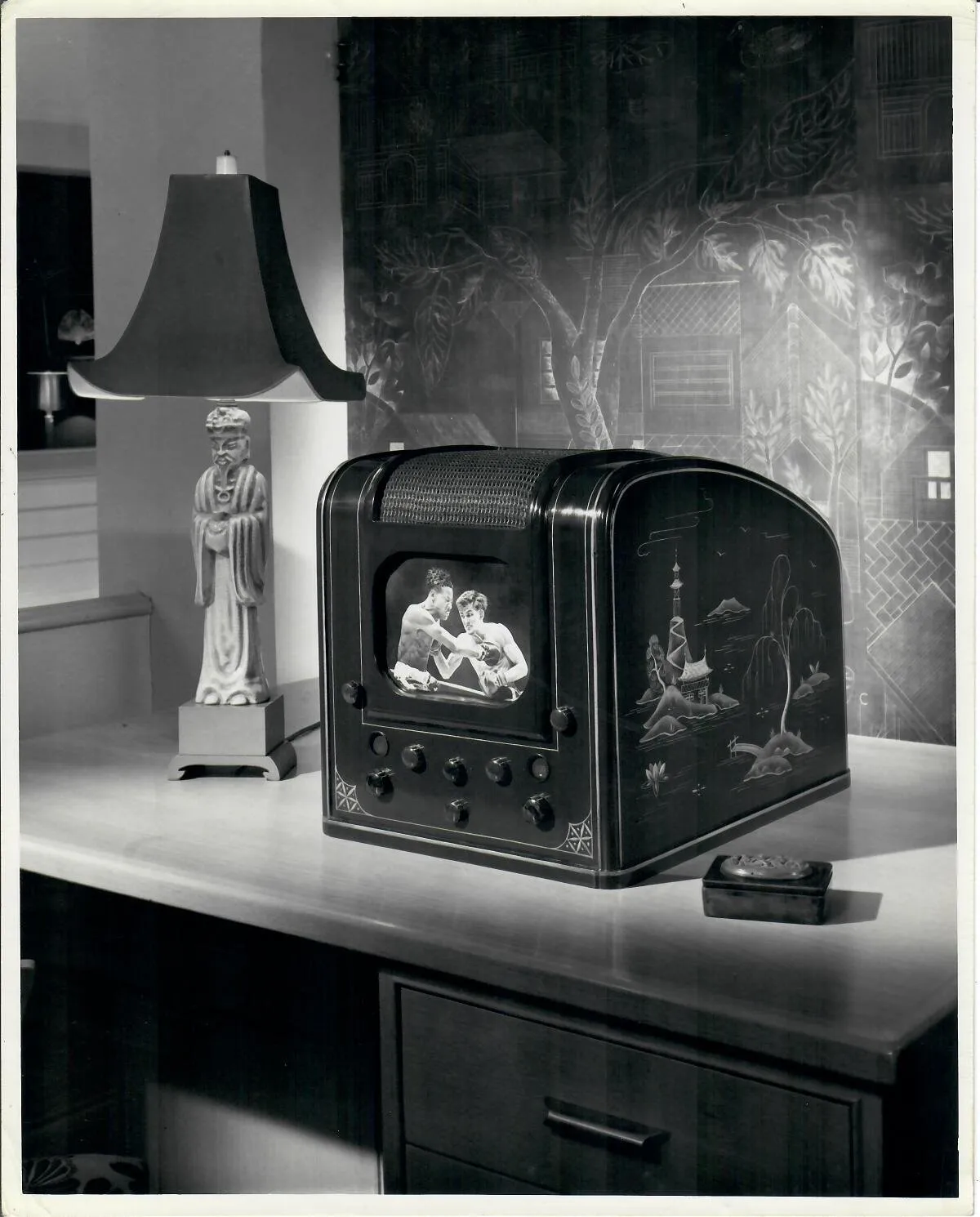 Photo: Philo Farnsworth, via images.squarespace-cdn.com
When Farnsworth finally demonstrated his invention to potential investors in San Francisco, they were underwhelmed. The images were blurry, the screen was tiny, and the whole contraption required a darkened room to see anything.
RCA's David Sarnoff, the most powerful man in broadcasting, dismissed television as "an interesting scientific curiosity." He predicted it would never compete with radio because "people have to look at it."
The Vindication: By 1950, television ownership in America jumped from 9% to 90% of households. Farnsworth's "impossible" invention didn't just change entertainment — it transformed politics, sports, news, and culture. The farm boy who couldn't get a patent became the father of electronic television.
4. The Personal Computer: "No Reason Anyone Would Want One"
The Rejection: In 1977, Ken Olsen, founder of Digital Equipment Corporation, confidently stated: "There is no reason anyone would want a computer in their home." IBM's market research agreed, predicting worldwide demand for maybe five computers total.
The Story: When Steve Jobs and Steve Wozniak offered their Apple computer design to their employer, Hewlett-Packard, the company declined. "We don't need you," HP told Wozniak. "You haven't got through college yet."
Atari also passed, as did IBM and Intel. The idea of ordinary people owning computers seemed absurd. Computers were room-sized machines that required teams of specialists to operate. What would a family do with one?
Even after Apple's success, established computer companies insisted personal computers were toys. "The personal computer will fall flat on its face in business," predicted the founder of Wang Laboratories in 1982.
The Story: Apple's garage startup became the world's most valuable company. Personal computers didn't just find a market — they created entirely new industries. The "toy" that experts dismissed now powers everything from banking to entertainment to how we work and communicate.
5. The Internet: "A Completely Over-Hyped Phenomenon"
The Rejection: As late as 1995, astronomer Clifford Stoll wrote in Newsweek: "The truth is, no online database will replace your daily newspaper, no CD-ROM can take the place of a competent teacher, and no computer network will change the way government works."
The Story: The internet began as a military project connecting university computers. When researchers suggested it might have commercial applications, business leaders were skeptical. Why would ordinary people need to connect their computers?
Even after the World Wide Web launched, major corporations were slow to adapt. "I predict the Internet will soon go spectacularly supernova and in 1996 catastrophically collapse," wrote technology pundit Robert Metcalfe in 1995.
Retail executives insisted people would never buy products they couldn't touch. Publishers argued that digital content had no value. Bankers claimed online transactions would never be secure.
The Vindication: The internet didn't just change commerce — it rewired human civilization. That "over-hyped phenomenon" now connects half the world's population and generates trillions in economic activity. Companies that embraced it thrived; those that dismissed it often disappeared.
The Pattern of Progress
Each rejection followed the same script: experts focused on current limitations instead of future possibilities. They assumed people wanted more of what they already had rather than something completely different.
But America's greatest innovations came from people who ignored the experts and built the future anyway. They understood something fundamental: the most transformative ideas always seem impossible — until suddenly they're inevitable.
So the next time someone tells you an idea will never work, remember: they might be right. But if history is any guide, they're probably not looking hard enough at what impossible really means.